How a Pizza Restaurant Turns Meals Into Shared Experiences
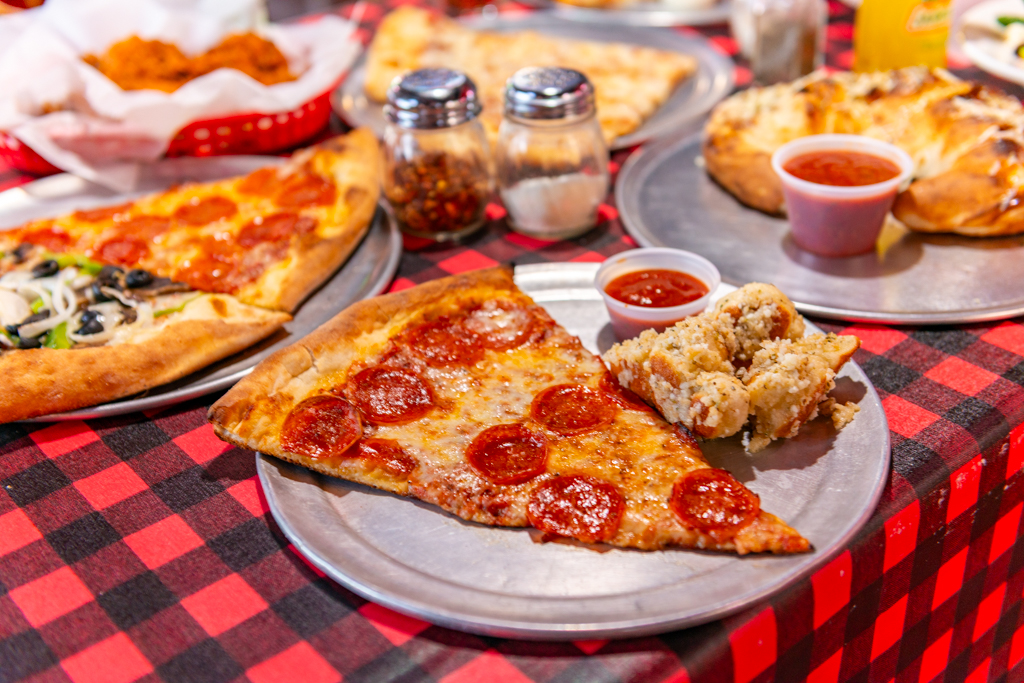
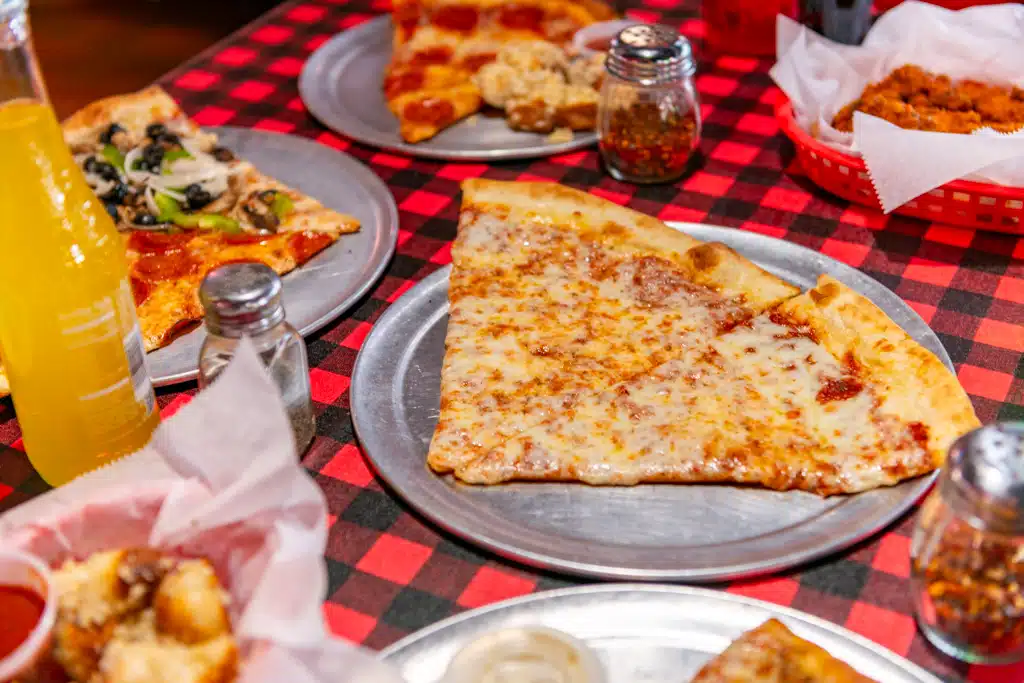
A good meal can satisfy hunger. A memorable meal does something larger. It gives people a setting for conversation, a rhythm for gathering, and a reason to stay at https://cruzjxhb403.lucialpiazzale.com/how-a-pizza-restaurant-uses-fresh-dough-to-win-customers the table a little longer than planned. Few places do that as reliably as a pizza restaurant.
That may sound simple at first. Pizza is casual, familiar, and widely loved. Yet that is exactly why it carries unusual social power. It removes friction. Most people already know how to order it, how to share it, and how to enjoy it in a group. There is no stiff etiquette to decode and no pressure to curate a perfect individual choice from a complicated menu. A table can settle in quickly, order a few pies, and let the evening unfold.
Over years of watching dining rooms fill and empty, one pattern stands out. Guests rarely remember only the crust texture or the exact amount of char on the rim. They remember who they were with, what they laughed about, who stole the last slice, which topping combination became the surprise favorite, and how easy the place made everything feel. Food matters, but in a strong pizza restaurant, food is also the medium through which connection happens.
The restaurants that understand this tend to outperform those that treat pizza as a commodity. The difference shows up in design, service, pacing, menu structure, and atmosphere. Shared experience is not an accident. It is built, one practical decision at a time.
Why pizza naturally invites people in
Pizza works socially because it solves several dining challenges all at once. It is approachable for a broad age range, flexible enough for different tastes, and inherently shareable. A couple can split one pie and a salad. A family can order three different pizzas and trade slices across the table. A team meeting can work through lunch without the disruption of individually plated courses arriving at different times.
That shareability matters more than many operators realize. When everyone orders separate entrées, the meal can become segmented. Plates arrive, conversation pauses, and each person focuses inward. With pizza, the center of the table becomes active space. Hands reach in, people compare slices, and the meal becomes communal by design. The physical act of sharing lowers formality and creates natural interaction.
There is also a practical advantage in how pizza accommodates mixed preferences. One person wants classic margherita, another wants spicy sausage, a third needs a vegetarian option, and a child only wants plain cheese. In many restaurants, those differences create tension or force compromise. In a pizza restaurant, they become easy to manage. Half-and-half pies, small plates, and multiple sizes allow the group to build consensus without anybody feeling boxed in.
That ease changes the emotional temperature of a meal. Guests arrive with less decision fatigue, and that usually makes them more relaxed before the first slice lands on the table.
The table becomes the experience
Restaurant people often talk about hospitality as if it lives entirely in service language. In practice, hospitality is also physical. It lives in spacing, sound, light, heat, timing, and furniture. A pizza restaurant that turns meals into shared experiences pays close attention to those elements because pizza is not just consumed, it is passed, discussed, and eaten in motion.
Start with the table itself. A cramped two-top with oversized plates and nowhere to set a salad quickly creates friction. A well-planned table gives guests room to place shared dishes in the center and still hold a drink, a side plate, and a napkin without constant reshuffling. That sounds minor until you have seen a group struggle through an otherwise good dinner because every item arrived into a space that could not support it.
Round tables often work particularly well for pizza because they reduce hierarchy and improve eye contact. Booths can feel comfortable and intimate, but they need enough depth for serving trays and pizza stands if the restaurant uses them. In larger dining rooms, a mix of table sizes matters. A party of six behaves differently from a date-night couple, and both should feel naturally accommodated rather than squeezed into whatever happens to be open.
Acoustics are another underappreciated factor. Pizza restaurants tend to attract families, groups of friends, youth teams, and celebrations. Energy is welcome. Noise fatigue is not. If the room echoes off bare brick, metal chairs, and hard floors, conversation begins to compete with the space. People lean in, repeat themselves, and shorten the evening. The best operators soften the room without killing the buzz. Upholstered banquettes, acoustic panels disguised as design features, and strategic spacing can preserve a lively feel while still letting guests hear one another.
Lighting affects shared meals in a different way. Pizza benefits from warmth, visually and emotionally. Harsh overhead light makes a room feel transactional. Dim light can flatter the room but work against families or larger groups trying to serve themselves. The sweet spot is usually warm, even light with slightly brighter illumination on the table than in the surrounding room. Guests should be able to see the blister on the crust, the sheen of olive oil, and each other’s expressions.
Menus that encourage conversation, not just ordering
The menu in a pizza restaurant is more than a price list. It guides group behavior. If it is too rigid, it slows ordering and forces compromise. If it is too sprawling, it creates indecision. Good menu design gives guests enough choice to feel agency, while quietly steering them toward combinations that support a shared meal.
One smart approach is to balance familiar anchor options with a smaller number of distinct house pies. A cheese pizza, a pepperoni, and a straightforward vegetable pie are necessary because they reduce risk for mixed groups. Alongside those, a few signature combinations can create discovery and spark table talk. When a restaurant offers roasted mushroom with fontina and thyme, or soppressata with hot honey and pickled chilies, people discuss the options out loud. That discussion is part of the experience.
The same principle applies to starters and sides. A menu with one or two strong shareable appetizers often performs better than a long catalog of forgettable options. Meatballs in sauce, a crisp chopped salad, roasted olives, or garlic knots can set the table and buy time while pizzas bake. They also give late arrivals something to join immediately, which matters in social settings where not everyone sits down at once.
Portioning matters too. In many dining rooms, the most useful menu note is not an ingredient list but a clear sense of size. Guests want to know whether a 12-inch pie is ideal for one person, two light eaters, or part of a larger spread. Restaurants that communicate that clearly help groups order confidently. Restaurants that do not often force the server into repeated rescue work.
A well-structured beverage menu can deepen the shared feeling. Pitchers, carafes, and low-commitment by-the-glass options work better for groups than highly individualized drinks that arrive in isolation. Beer and pizza remain a classic pairing for a reason, but the broader point is that drinks should support the table dynamic. A chilled red served in tumblers, a simple spritz, or a family-style nonalcoholic option can keep everyone participating.
Service sets the pace of togetherness
A pizza restaurant can serve beautiful food and still miss the social opportunity if service timing is clumsy. Shared meals need pacing. Too slow, and the table loses momentum. Too fast, and guests feel rushed or crowded by the arrival of too many items at once.
Experienced servers know that pizza tables benefit from quiet guidance. They read whether the group wants a quick pregame dinner before an event or a long, unhurried evening. They help calibrate quantity without sounding pushy. They warn guests when a specialty pie takes longer because of its toppings or bake profile. They course appetizers with intention rather than simply firing everything as soon as possible.
This is where a seasoned pizza restaurant often separates itself from one that only focuses on turnover. Consider a table of eight with two children, grandparents, and parents meeting after work. If the kitchen sends out scalding pizzas all at once with no room made on the table, stress follows. If the server stages a salad, then two pies, then the remaining two a few minutes later, the meal breathes. Children can start, adults can settle in, and the table can reset naturally.
Hospitality at a pizza restaurant also includes handling the informal moments well. Extra plates should appear before guests need to ask. Parmesan, chili flakes, and olive oil should be easy to access but not clutter the table unnecessarily. Re-firing an undercooked pie or replacing a misshapen order should happen without drama. People forgive small errors when the staff treats them as manageable, not catastrophic.
There is judgment involved here. Not every table wants the same degree of interaction. A birthday group may appreciate enthusiastic engagement. A pair of old friends catching up may prefer calm, discreet service. The professional skill lies in seeing the difference early.
Open kitchens and visible craft create a sense of participation
One reason pizza restaurants can feel so communal is that the making of the food is often visible. Dough stretching, topping, oven loading, and slicing all carry a theatrical quality. Guests do not just receive a finished plate, they witness part of the process.
This matters because visible craft builds trust and anticipation. When customers can see dough being handled by hand, mozzarella being torn, and pies blistering in the oven, they feel connected to the work. It becomes easier to appreciate why a pizza arrives when it does, why one crust puffs higher than another, or why the room smells the way it does at peak service.
Wood-fired and gas deck ovens create different kinds of atmosphere, and each has trade-offs. A wood-fired oven brings drama, warmth, and often a shorter bake time, but it can be harder to manage consistently during heavy rushes. A deck oven may be less romantic visually, yet it can produce excellent results with steadier output across a busy service. Diners may not always know the technical distinctions, but they do feel the confidence of a kitchen that knows its equipment and uses it well.
Open kitchens also encourage a useful kind of restraint. Staff members who know guests can see them tend to maintain cleaner habits, stronger communication, and tighter movement. That discipline becomes part of the guest experience, even if it is only perceived indirectly.
Families, friends, teams, and dates all use the space differently
One mark of a strong pizza restaurant is its ability to serve very different social occasions without losing its identity. That is not easy. The needs of a family with three young children differ from those of an office team decompressing after a product launch, and both differ again from those of a couple on a Friday night date.
Families tend to value speed, flexibility, and predictability. They want high chairs that are not wobbly, food that arrives before children go sideways, and a room where a little noise will not draw irritated glances. A pizza restaurant often succeeds here because it offers familiar food in a forgiving setting. But the details still matter. If the children’s portions are an afterthought or the restrooms are inconvenient, the goodwill generated by the menu disappears fast.
Friend groups usually care more about energy and linger time. They may want to split several pies, order another round, and keep talking after the plates are mostly empty. A restaurant that understands this will avoid making the table feel processed. That does not mean infinite seating for every party, especially on busy nights, but it does mean pacing service in a way that respects the social purpose of the visit.
Sports teams and school groups bring volume and unpredictability. They can be lucrative and atmosphere-building, but only if the operation is ready for them. Clear ordering systems, enough pitchers or bottled drinks, and a plan for staggered arrival times keep the room from becoming chaotic.
Dates sit in an interesting middle ground. Many people underestimate how well pizza works for a date because they associate it with informality. In practice, informality can be an asset. It lowers performance pressure. Sharing a pie gives the meal built-in interaction. There is something disarming about deciding together whether to order the anchovy pizza or play it safe with sausage and peppers. It reveals taste, confidence, and humor without feeling staged.
Memory is built through small rituals
Restaurants that create lasting shared experiences usually develop rituals, even if they never call them that. These are the repeatable moments guests come to expect and associate with the place.
A server setting down kitchen scissors with a rectangular pie so guests can cut their own preferred portions can become a point of delight. So can the first waft of basil and char as a pie lands. A chalkboard with neighborhood birthdays, a dough ball for children to play with while waiting, or a post-meal scoop of lemon ice placed in the center of the table can turn routine service into something people talk about later.
The power of these rituals is not their size. It is their reliability. Guests begin to feel they are participating in a pattern larger than one meal. Regulars bring newcomers and say, “You have to try this,” or “Wait until the pizza comes out.” That kind of anticipation is gold for any restaurant because it transforms diners into hosts.
The best rituals also fit the brand rather than feeling manufactured. A neighborhood pizza restaurant with a modest, family-oriented identity should not force luxury gestures that create distance. A more polished urban spot can lean into refined details, but even then, the shared experience should remain grounded in warmth, not performance.
Takeout and delivery can still be communal, with limits
It is tempting to think shared experience only happens in the dining room. That is not true. Some of the strongest pizza memories happen at home, on park benches, in office break rooms, or around coffee tables during playoff games. Pizza travels better than many foods, and that portability has always been part of its social advantage.
Still, off-premise dining changes the equation. Steam softens crust. Delivery time dulls freshness. Missing condiments, collapsed boxes, or poor slice stability can undermine the meal before it begins. A pizza restaurant that cares about shared experience off-site has to design for those realities.
Packaging matters more than most people expect. Vented boxes can reduce steam buildup. Separate containers for dressings and chili oil prevent sogginess. Clear reheating instructions help customers recover some crispness if the meal waits a bit before eating. Even the way boxes are labeled can support a group setting. No one wants to open five pizzas searching for the vegetarian one while the rest cool on the counter.
There is also a communication piece. If a restaurant knows its thin-crust pie shines best in-house but a thicker pan pizza travels better, it should guide guests honestly. That kind of judgment builds trust. Not every product is ideal for every channel, and pretending otherwise usually backfires.
Community forms when the restaurant becomes a local reference point
At their best, pizza restaurants become part of neighborhood language. People say, “Let’s meet at the pizza place,” without needing to specify much more. That only happens when the restaurant has moved beyond selling food and started serving as a civic space.
You see this in small ways first. Little League photos on the wall. Teachers grabbing a late lunch after conferences. Regulars recognized by name. Local fundraisers that fill the room on a Tuesday that would otherwise be quiet. A counter worker slipping an extra paper plate into the bag because they know the order is headed to a nearby school recital.
There is a business lesson here. Community attachment is not built through slogans. It is built through repeated, competent generosity. A pizza restaurant that remembers a guest’s allergy, handles a rain-soaked rush without losing patience, or keeps quality steady through a holiday weekend earns trust in increments. Over time, those increments become loyalty.
This local role can also insulate a restaurant in difficult periods. When costs rise or competition increases, guests are more likely to stay with a place that feels woven into their routines and memories. They are not only buying dinner. They are preserving a setting that matters to them.
What operators sometimes get wrong
The social power of a pizza restaurant can lead owners to assume the concept will carry itself. It will not. Shared experiences need structure, and there are predictable mistakes that weaken them.
One common error is overcomplicating the menu in pursuit of novelty. A few inventive pies can energize the offering. Twenty highly specific combinations can paralyze guests and slow the kitchen. Another mistake is treating every seat as interchangeable. Group-oriented dining needs thoughtful table management. Cramming six adults into a space built for four rarely ends well, no matter how good the food is.
Some restaurants also underestimate the wear and tear that high-energy, shareable dining puts on operations. Plates chip faster, floors get messier, and condiment stations need constant attention. If cleanliness slips, the casual atmosphere starts to read as careless rather than welcoming.
Then there is the issue of pacing. Operators under pressure may push for maximum table turns at all hours. That may help on paper, but it can damage the very quality that makes the pizza restaurant valuable. Not every evening should feel rushed. Guests who sense they are being hurried often leave with a flatter memory of the meal, even if the pizza itself was excellent.
The meal lasts longer than the slice
The reason a pizza restaurant turns meals into shared experiences is not mystical. It is operational, emotional, and deeply human. Pizza invites people to gather because it is generous by nature. It sits in the middle of the table. It asks to be divided. It accommodates difference without making a fuss. It gives the group something to do together.
The strongest restaurants build on those advantages deliberately. They shape rooms for conversation, write menus that help groups order well, train staff to read the table, and create rituals people want to repeat. They understand that guests may arrive for dinner, but what they really want is time that feels easy, connected, and worth remembering.
That is why the category endures. Long after trend-driven concepts fade, the neighborhood pizza restaurant remains busy because it serves more than food. It gives people a place to celebrate small wins, bridge awkward introductions, feed hungry children, reconnect after hard weeks, and mark ordinary nights that somehow become special.
A slice can be eaten in a few minutes. The experience around it can stay with people for years.
RUFFRANO'S HELL'S KITCHEN PIZZA Security
385 Main St, Colorado Springs, CO 80911
(719) 390-4355
FAQ About pizza restaurant
Is there a Hell's Kitchen pizza restaurant in Security-Widefield?
Yes. Ruffrano's Hell's Kitchen Pizza has a Security-Widefield location at 385 Main St.
Where can I find pizza delivery in Security-Widefield?
Ruffrano's Security location offers online ordering. Enter your address at checkout to check delivery availability and fees.
Where can I find gluten-free pizza in Security-Widefield?
Ruffrano's menu lists a 12-inch gluten-free option. Call the Security location to confirm availability and ask about shared equipment if cross-contact is a concern.